5 Simple Steps to Create a Healthy Scalp Routine for Hair Growth

5 Simple Steps to Create a Healthy Scalp Routine for Fast Hair Growth
Introduction
Healthy, beautiful hair starts with taking care of your scalp. While many people focus on shampoos, conditioners, and styling products to improve the appearance of their hair, the condition of the scalp also deserves attention. A clean, comfortable, and well-maintained scalp helps create the right conditions for healthy hair and can reduce problems associated with irritation, product buildup, and hair breakage.
If you are experiencing dry scalp, occasional itching, excessive shedding, or hair that seems difficult to grow longer, improving your daily hair care habits may be a useful first step. The right routine does not need to involve expensive treatments or dozens of products. Simple habits, such as cleansing appropriately, handling hair gently, protecting it from excessive heat, and maintaining balanced nutrition, can make a meaningful difference in overall hair care.
However, it is important to understand that a healthy scalp routine cannot guarantee faster hair growth or reverse every type of hair loss. Hair growth depends on several factors, including genetics, age, hormones, nutritional status, and underlying medical conditions. Hair care practices are most helpful when they support scalp health and prevent avoidable damage.
In this guide, you will discover five simple steps to create a healthy scalp routine for hair growth, learn which habits to avoid, and understand when professional advice may be necessary.
Why Is a Healthy Scalp Important for Hair Growth?
Your scalp is living skin that contains hair follicles, sebaceous glands, blood vessels, and a protective skin barrier. Hair follicles produce individual strands, while sebaceous glands release sebum, a natural oil that helps lubricate the skin and hair.
Maintaining a healthy scalp involves keeping the skin clean without excessively stripping its natural oils, minimizing irritation, and choosing products suited to your hair type.
Several factors can affect scalp health:
-
Excess oil and product buildup: Styling products, sebum, and dead skin cells can accumulate and make the scalp feel uncomfortable.
- Dryness and irritation: Certain shampoos, fragrances, and hair treatments may irritate sensitive skin.
- Dandruff: Flaking and itching may be associated with seborrheic dermatitis or other scalp conditions.
- Hair damage: Excessive heat, rough brushing, chemical treatments, and tight hairstyles can contribute to breakage or hair loss.
-
Nutritional deficiencies: Inadequate intake of certain nutrients, including iron or protein, may contribute to hair shedding.
According to the American Academy of Dermatology (AAD), choosing suitable products, washing appropriately, conditioning regularly, and handling hair gently can help maintain healthier hair.
It is also helpful to distinguish between hair growth and hair length. Hair can grow from the follicle while the ends break off, making it appear as though growth has stopped. Reducing breakage may help you retain more length even when the underlying growth rate remains unchanged.
With these basics in mind, let’s explore five practical steps for building a healthier scalp routine.
Step 1: Cleanse Your Scalp With the Right Shampoo
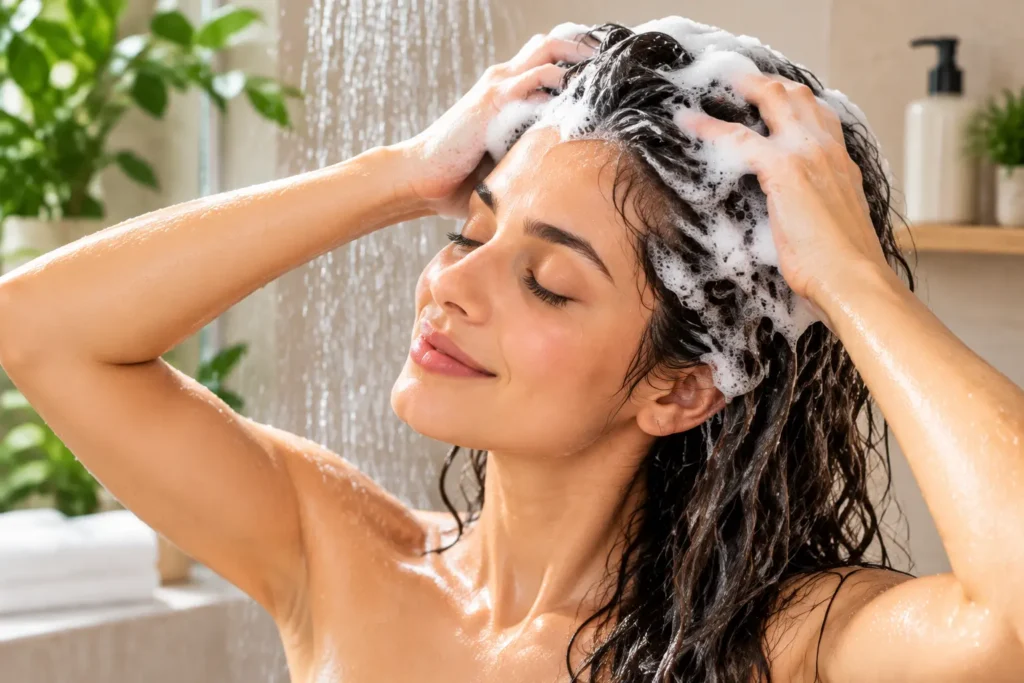
Cleansing is the foundation of a healthy scalp routine. Throughout the day, sweat, excess oil, environmental particles, dead skin cells, and styling products can collect on the scalp. Washing helps remove this buildup and keeps the skin comfortable.
However, washing too frequently with a product that irritates your skin can contribute to dryness, while washing too infrequently may allow oil and residue to accumulate. The goal is to find a balance that suits your individual needs.
Choose a Shampoo for Your Scalp Type
Different scalps require different approaches.
For oily scalps: If your roots become greasy quickly, you may benefit from washing more frequently. A gentle shampoo designed for your hair type can remove excess oil without unnecessary irritation.
For dry scalps: If your scalp feels tight or uncomfortable after washing, consider a gentle cleanser formulated for dry or sensitive skin. Avoid products that consistently leave your scalp feeling irritated.
For sensitive scalps: Fragrance-free products may be worth considering if scented shampoos cause itching or redness. Introduce new products gradually so you can identify possible triggers.
For dandruff-prone scalps: A shampoo containing an appropriate anti-dandruff ingredient may be more useful than an ordinary cosmetic shampoo. Follow the product instructions, and seek medical advice if flaking persists.
Remember that sulfate-free shampoo is not automatically better for everyone. Some people tolerate sulfate-containing cleansers perfectly well, while others prefer milder formulations. Your scalp’s response matters more than a marketing label.
How Often Should You Wash Your Hair?
There is no universal washing schedule that works for everyone. People with oily scalps and straight hair may need to shampoo more often, while people with dry, curly, or tightly textured hair may prefer less frequent washing.
Instead of following a rigid schedule, consider how your scalp feels. If your roots become oily, sweaty, or uncomfortable, it may be time to wash. If your scalp remains comfortable and your hair is not excessively dry, your existing schedule may be appropriate.
Use the Correct Washing Technique
Follow these simple steps:
- Wet your hair and scalp thoroughly with lukewarm water.
- Apply a suitable amount of shampoo to your scalp.
- Gently massage with your fingertips rather than scratching with your fingernails.
- Rinse thoroughly to remove remaining product.
- Apply conditioner to the hair lengths as appropriate for your hair type.
You generally do not need to scrub shampoo vigorously into the entire length of your hair. Letting the shampoo rinse through the lengths helps cleanse them while reducing unnecessary friction.
Pro tip: If you use a lot of styling products, you may occasionally need a clarifying shampoo. Choose one suited to your hair and scalp, and avoid excessive clarifying if it leaves your hair dry or brittle.
Regular cleansing supports scalp hygiene, but it should not be presented as a treatment that automatically accelerates follicle growth.
Step 2: Massage Your Scalp Gently
Scalp massage is a simple addition to a hair care routine. It can feel relaxing, help you distribute certain products, and encourage you to spend a few minutes paying attention to your scalp.
However, claims that massage dramatically increases hair growth or activates dormant follicles are not well established. Evidence for scalp massage as a standalone hair-growth treatment remains limited.
How to Perform a Gentle Scalp Massage
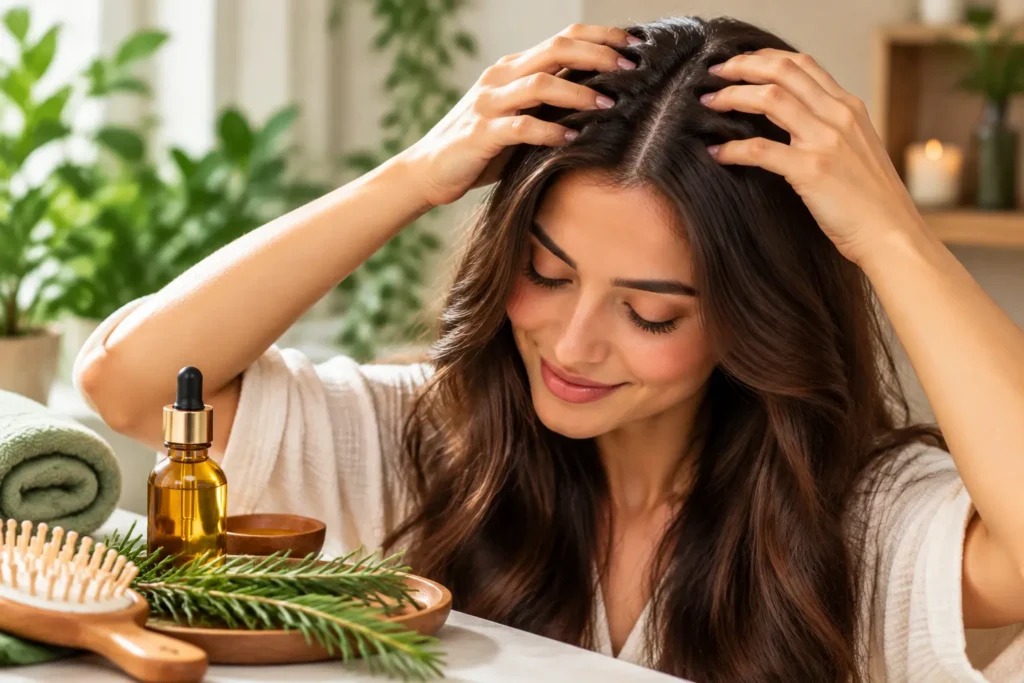
You do not need a special device to massage your scalp. Your fingertips are usually enough.
Follow this simple technique:
- Sit comfortably and relax your shoulders.
- Place your fingertips against your scalp.
- Make small, gentle circular movements.
- Move gradually across the crown, sides, and back of your head.
- Continue for a few minutes, stopping if you experience pain or irritation.
Use enough pressure to move the skin gently without pulling on individual hairs. Avoid scratching, rubbing aggressively, or repeatedly tugging at areas where your hair is thinning.
You can massage your scalp while shampooing or when your hair is dry, depending on what feels comfortable. If you use a scalp massager, clean it regularly and avoid stiff or sharp tools that may irritate your skin.
Can Scalp Massage Reduce Hair Loss?
It is important to keep expectations realistic. Some people find scalp massage relaxing, but there is insufficient strong evidence to conclude that it reliably increases hair density or prevents common forms of hair loss.
If you enjoy it, you can include it as part of your routine. Think of it as a comfort and self-care practice rather than a replacement for proven treatments.
People with an irritated scalp, painful sores, or inflamed skin should avoid vigorous massage. If you notice persistent shedding or visible thinning, identifying the underlying cause is more important than increasing massage frequency.
Step 3: Use Hair Oils Carefully and Protect Your Scalp
Hair oils are popular in natural hair care because they can help condition the hair, improve manageability, and reduce friction. Depending on the formulation, some oils may also help reduce moisture loss from the hair shaft.
Nevertheless, applying oil directly to the scalp is not necessary for everyone. Heavy oils may leave some scalps greasy or uncomfortable, and certain ingredients can cause irritation or allergic reactions.
Choose an Oil That Suits Your Needs
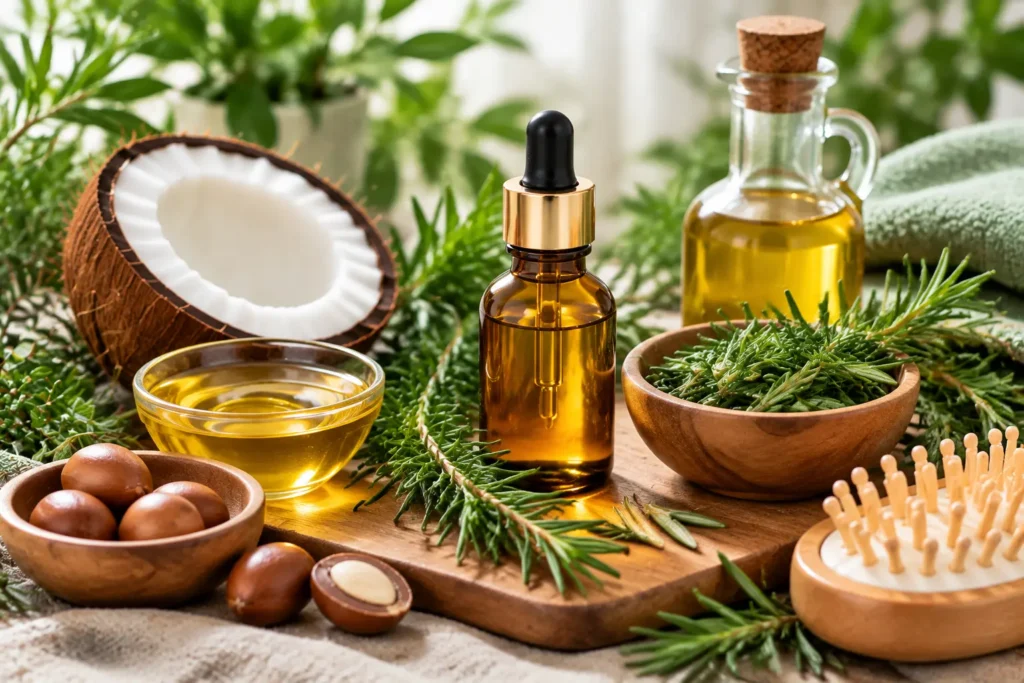
Jojoba oil: Often used in cosmetic formulations, jojoba oil can help soften hair and improve its feel. Individual responses vary, and it is not proven to unblock follicles or stimulate hair growth.
Coconut oil: Coconut oil can help reduce protein loss from hair under certain conditions. It is generally used on the hair lengths rather than as a universal scalp treatment.
Argan oil: This oil is commonly used to improve softness, shine, and manageability. Its cosmetic benefits should not be confused with evidence of increased follicle growth.
Rosemary essential oil: Rosemary oil has received attention because a small randomized comparative study investigated it for androgenetic alopecia over six months. Although the study reported changes in hair count at the six-month assessment, this does not establish rosemary oil as a guaranteed or equivalent substitute for established hair-loss treatments. More research is needed.
You can read the study on PubMed.
How to Use Hair Oils Safely
If you want to try an oil, follow these precautions:
- Choose a product with clearly listed ingredients.
- Follow the manufacturer’s directions for application and removal.
- Avoid applying essential oils undiluted to the skin.
- Test a small amount of a new product on a small area of skin according to the product’s safety instructions.
- Stop using the product if you experience burning, redness, itching, or swelling.
- Avoid applying heavy oils to a scalp condition that becomes worse with oily products.
Essential oils are concentrated substances. Dilution reduces concentration but does not eliminate the possibility of irritation or allergy. If you have sensitive skin or an existing scalp condition, consult a healthcare professional before using them.
Should You Leave Oil on Your Scalp Overnight?
Overnight oiling is not essential for healthy hair. Some people prefer a short pre-shampoo treatment, while others find that oiling makes their scalp greasy or itchy.
Start with a small amount and observe how your skin responds. If an oil causes discomfort, wash it off and discontinue use.
You should also avoid heating oils to high temperatures before applying them. Hot-oil treatments can burn the scalp and may damage fragile hair.
Pro tip: For many people, applying a suitable conditioner to the hair lengths is more useful for reducing tangles and breakage than adding multiple oils to the scalp.
Step 4: Maintain Scalp Comfort and Prevent Hair Damage
A healthy scalp routine should focus on maintaining comfortable skin and protecting the hair shaft. Dryness, persistent itching, and flaking may indicate that your current products or habits are not suitable for you.
Keep Your Scalp Comfortable
Use products that leave your scalp feeling clean without persistent tightness, burning, or itching. Avoid scratching flakes away with your nails because this can irritate the skin.
If you experience recurring dandruff, consider an anti-dandruff shampoo formulated for that purpose. Some products need to remain on the scalp for a specified period before rinsing, so follow their instructions carefully.
Persistent symptoms should not automatically be attributed to dryness or product buildup. Conditions such as seborrheic dermatitis, psoriasis, eczema, and fungal infections may require specific treatment.
Do Not Worry About Achieving a Perfect Scalp pH
You may encounter products promising to balance scalp pH or restore the scalp microbiome. Although the skin’s natural barrier and surface chemistry are important, you do not need to measure your scalp’s pH or purchase special products simply because they advertise a particular number.
Focus instead on products that suit your skin, sensible cleansing habits, and avoiding ingredients that repeatedly cause irritation.
Apple cider vinegar rinses and other homemade acidic treatments are not necessary for a healthy scalp routine. Incorrect dilution may irritate the skin or eyes, so it is safer to choose products formulated for scalp use.
Protect Your Hair From Heat
Excessive heat can weaken hair fibres, contributing to dryness, brittleness, and breakage. If you regularly use a hair dryer, curling iron, or straightener, consider these precautions:
- Use lower or moderate heat settings whenever possible.
- Limit repeated passes with hot styling tools.
- Apply a suitable heat-protectant product.
- Allow your hair to air-dry when convenient.
- Avoid using heated tools on hair that is already fragile or damaged.
Heat protection does not eliminate all damage, but reducing exposure can help preserve hair strength.
Avoid Tight Hairstyles
Tight ponytails, braids, buns, and extensions can place repeated tension on the hair follicles. Over time, this may contribute to traction alopecia, a type of hair loss caused by pulling.
Choose styles that do not cause pain, stinging, or tension around your hairline. If a hairstyle feels uncomfortable, loosen it rather than trying to tolerate the pulling.
Early changes are important because prolonged traction can lead to permanent hair loss.
Handle Wet Hair Gently
Wet hair can be more vulnerable to mechanical damage. After washing, gently squeeze out excess water instead of rubbing your hair vigorously with a towel.
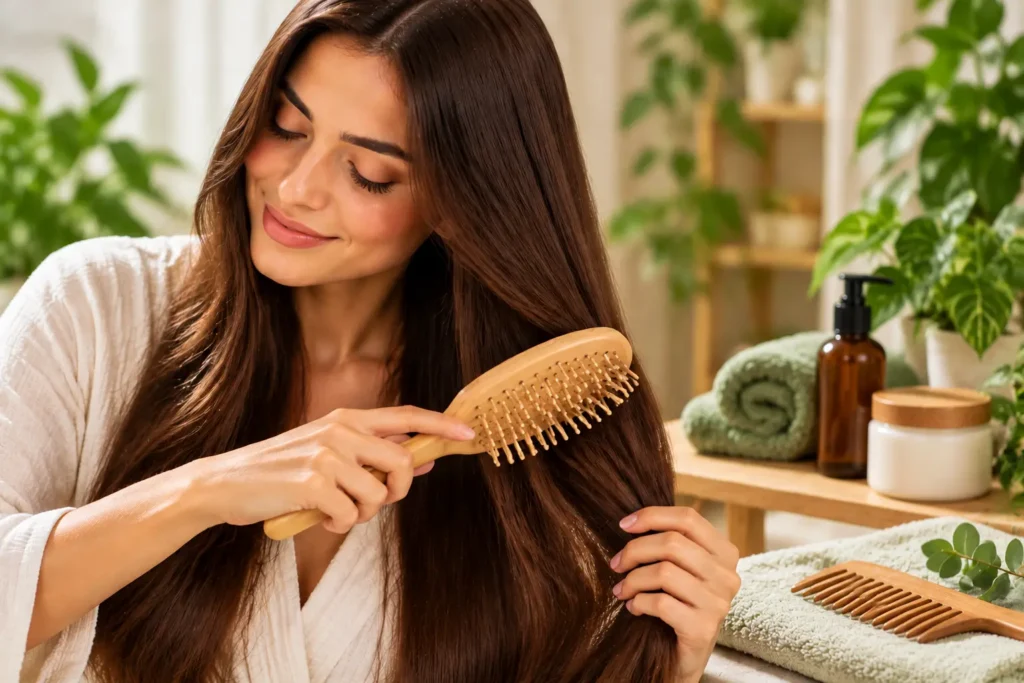
Use a wide-tooth comb when appropriate for your hair texture, and work through tangles gradually. Applying conditioner can improve slip and make detangling easier.
These habits will not necessarily change how quickly your follicles produce hair, but they can help you retain more of the length you grow.
Step 5: Support Hair Health With Balanced Nutrition and Healthy Habits
Hair follicles require energy and nutrients to function normally. A healthy scalp routine is therefore only one part of supporting hair health.
Eating a varied diet, getting sufficient sleep, and addressing nutritional deficiencies can help support normal hair growth. However, no single food or supplement guarantees faster growth.

Include Enough Protein
Hair fibres are primarily composed of keratin, a structural protein. Consuming adequate protein supports normal body functions, including the processes involved in hair production.
Useful protein sources include:
- Eggs
- Fish and seafood
- Beans and lentils
- Tofu and other soy foods
- Dairy products
- Poultry and lean meats
- Nuts and seeds as part of a balanced diet
Your needs depend on factors such as age, body size, activity, and overall health. If you follow a restrictive diet, consider discussing your nutritional intake with a qualified healthcare professional.
Pay Attention to Iron and Other Nutrients
Iron deficiency can contribute to hair shedding, and inadequate intake of protein or certain other nutrients may also affect hair health.
However, taking supplements without a demonstrated need is not necessarily helpful. Excessive intake of some nutrients, including selenium and vitamins A and E, has been associated with hair loss.
Biotin supplements are often marketed for hair growth, but they are unlikely to provide a benefit if you are not deficient. Biotin can also interfere with certain laboratory tests.
Rather than purchasing several hair-growth supplements, focus on a balanced diet and seek medical advice if you suspect a deficiency. A clinician can decide whether blood tests or supplementation are appropriate.
Manage Stress and Prioritize Sleep
Significant physical or emotional stress can contribute to a temporary type of hair shedding called telogen effluvium. It may also occur after illness, surgery, major weight loss, or other physiological changes.
Stress management cannot prevent every cause of hair loss, but healthy habits can support general wellbeing.
Consider incorporating these practices into your routine:
- Maintain a reasonably consistent sleep schedule.
- Make time for regular physical activity.
- Try relaxation exercises, meditation, or breathing practices.
- Avoid crash diets and extreme calorie restriction.
- Seek support when stress becomes difficult to manage.
If shedding begins after a stressful event, remember that the relationship between the trigger and visible hair loss may not be immediate. Persistent or substantial shedding deserves professional assessment rather than an assumption that stress is the only cause.
Understand What Your Routine Can and Cannot Do
Healthy habits can help protect existing hair, reduce avoidable breakage, and support normal growth. They cannot reliably reverse hereditary hair loss, hormonal disorders, inflammatory scalp conditions, or every other cause of thinning.
If your hair is becoming progressively thinner, the most effective next step may be a medical assessment. Depending on the cause, a dermatologist may recommend an evidence-based treatment rather than additional cosmetic products.
How to Build a Simple Weekly Scalp Care Routine
Consistency is more useful than using many products at once. The following example can help you organise your routine, but adjust it to your scalp type, hair texture, and product instructions.
On Wash Days
- Wet your scalp thoroughly with lukewarm water.
- Apply shampoo and massage gently with your fingertips.
- Rinse completely.
- Apply conditioner to the appropriate parts of your hair.
- Detangle gently and dry without excessive rubbing.
- Use heat-protectant products if styling with heat.
Between Wash Days
- Check whether your scalp feels oily, dry, itchy, or comfortable.
- Avoid scratching or picking at flakes.
- Use styling products in moderation if buildup is a problem.
- Keep hairstyles comfortable and avoid excessive pulling.
- Protect hair from unnecessary heat and friction.
Once a Week
Take a few minutes to assess how your scalp and hair are responding. Look for persistent redness, unusual flaking, tenderness, or changes in hair density.
You do not need a weekly oil treatment, scalp scrub, or clarifying wash unless it suits your needs. Overcomplicating your routine can introduce more potential irritants without providing additional benefits.
The best routine is one you can maintain comfortably and consistently.
Common Scalp Care Mistakes to Avoid
Even a well-intentioned hair care routine can become counterproductive if it includes unnecessary or irritating practices.
1. Washing according to a rigid schedule: Your scalp’s needs vary. Adjust washing frequency to oiliness, activity, hair texture, and comfort.
2. Scrubbing too aggressively: Vigorous rubbing and scratching can irritate the skin and damage fragile hair.
3. Using too many products: Layering oils, exfoliants, fragrances, and styling products can make it harder to identify what causes irritation.
4. Assuming natural ingredients are always safe: Plant extracts and essential oils can cause allergic reactions or contact dermatitis.
5. Taking supplements without guidance: Excessive intake of certain nutrients can worsen hair loss.
6. Expecting overnight results: Hair grows gradually, and improvements in appearance may reflect less breakage rather than a faster follicle growth rate.
7. Ignoring persistent hair loss: Cosmetic routines cannot diagnose or treat every underlying cause. Progressive thinning or sudden changes should be assessed by a healthcare professional.
Frequently Asked Questions
1. How can I create a healthy scalp routine for hair growth?
Start with a suitable shampoo, wash according to your scalp’s needs, condition your hair, and handle it gently. You can add a gentle scalp massage if you enjoy it. Balanced nutrition and avoiding tight hairstyles or excessive heat can also help protect your hair. Results depend on your individual circumstances.
2. How often should I wash my scalp?
There is no single ideal frequency. Oily scalps may require more frequent washing, while dry or tightly curled hair may need less frequent cleansing. Adjust your routine according to oiliness, sweat, product buildup, and irritation.
3. Does scalp massage make hair grow faster?
Evidence is limited. Scalp massage may be relaxing, but it has not been conclusively shown to produce substantial hair growth. Use gentle pressure and avoid pulling on the hair.
4. Which oil is best for scalp health?
There is no universally best oil. Coconut, jojoba, and argan oils are commonly used for conditioning, while rosemary essential oil has limited clinical research related to hair loss. Oils are not guaranteed hair-growth treatments, and essential oils should never be applied undiluted.
5. Can shampoo cause hair loss?
Some products may irritate the scalp or contribute to dryness and breakage. Hair shedding can also have unrelated medical causes. If a shampoo consistently causes burning, redness, or itching, discontinue it and seek advice if symptoms persist.
6. Does dandruff stop hair growth?
Dandruff does not automatically mean that hair follicles have stopped growing. However, an irritated scalp may lead to scratching and hair damage. Persistent flaking, inflammation, or hair loss may require assessment and targeted treatment.
7. What foods help support healthy hair?
A balanced diet containing adequate protein, iron, and other essential nutrients supports normal body functions, including hair growth. Eggs, legumes, fish, dairy products, vegetables, and whole grains can contribute to a varied diet. No single food guarantees faster growth.
8. How long does it take to see results from a scalp routine?
Scalp comfort and hair manageability may improve sooner than hair density. Changes in shedding or growth depend on the underlying cause and may take several months to assess. There is no guaranteed timeline for results from a cosmetic routine.
9. Are hair-growth supplements necessary?
Not for everyone. Supplements may be appropriate when a deficiency is identified, but unnecessary or excessive intake can cause harm. Consult a healthcare professional before starting supplements specifically for hair growth.
10. When should I see a dermatologist for hair loss?
Seek medical advice if hair loss is sudden, persistent, progressive, patchy, or accompanied by scalp pain, inflammation, scaling, or sores. Early assessment can help identify the cause and determine whether specific treatment is needed.
Conclusion
Creating a healthy scalp routine does not require an expensive collection of products or complicated treatments. The most useful approach is to cleanse your scalp appropriately, massage gently if desired, use hair oils cautiously, prevent avoidable damage, and support your body with balanced nutrition and healthy habits.
Remember that healthy hair growth begins with realistic expectations. A good routine can improve scalp comfort, reduce breakage, and help you care for the hair you have, but it cannot guarantee rapid growth or treat every type of hair loss.
Pay attention to how your scalp responds, avoid products that cause irritation, and make adjustments based on your individual needs. If you notice persistent thinning or unusual shedding, consult a qualified healthcare professional rather than relying exclusively on cosmetic remedies.
With consistent, gentle care and the right advice when needed, you can build a routine that supports healthier-looking hair over time.
Medical Disclaimer
This article is for educational purposes only and is not a substitute for professional medical advice, diagnosis, or treatment. Hair loss can have multiple causes. Consult a qualified healthcare professional if you experience persistent shedding, sudden hair loss, scalp pain, inflammation, or other concerning symptoms.
References
- American Academy of Dermatology. Tips for Healthy Hair.
- American Academy of Dermatology. Hair Loss: Tips for Managing.
- American Academy of Dermatology. Hairstyles That Pull Can Lead to Hair Loss.
- Panahi Y, et al. Rosemary Oil vs. Minoxidil 2% for the Treatment of Androgenetic Alopecia: A Randomized Comparative Trial. Skinmed. 2015.
- National Health Service (NHS). Hair Loss.